
In pest control, fumigation is an effective method to combat stubborn pests and ensure a healthy environment. This article aims to comprehensively understand the fumigation process, its various types, chemicals used, and safety precautions. Whether you're dealing with insects, termites, or other pests, fumigation can efficiently eliminate them from your space.
Understanding Fumigation
Fumigation can be defined as a process that employs the use of gaseous fumigants to eradicate pests and their eggs from an infested area. Unlike surface treatments, fumigation can penetrate deep into structures and materials, reaching hidden crevices and eliminating pests that are otherwise difficult to eradicate. This makes it a highly effective method, particularly in severe infestations.
Using specialized fumigants, the fumigation process targets pests such as bed bugs, termites, wood-boring beetles, and stored product insects. The gaseous fumigants can disperse evenly, ensuring comprehensive coverage within the treated area.
Types of Fumigation
Gas Fumigation
Gas fumigation involves the use of specific gaseous fumigants to eliminate pests. The most common fumigants include Methyl Bromide, Phosphine, and Sulfuryl Fluoride. Methyl Bromide, though widely used in the past, is being phased out due to its harmful effects on the ozone layer. Phosphine and Sulfuryl Fluoride have become popular alternatives, offering effective results while minimizing environmental impact.
During gas fumigation, safety precautions are of utmost importance. Pest control professionals follow strict guidelines to ensure the safety of occupants and prevent gas leakage. Proper sealing of the area being fumigated, as well as the use of personal protective equipment, help create a controlled environment.
Tent Fumigation
Tent or structural fumigation is employed when dealing with large-scale infestations or structural pests. This method involves enclosing the entire structure within a tent-like enclosure, allowing for thorough treatment. The structure is sealed tightly to prevent gas from escaping, ensuring maximum concentration and effectiveness.
Tent fumigation is particularly useful in combating termites that have infested the structural elements of a building. The process involves the introduction of fumigants into the sealed space, allowing the gases to permeate through the targeted areas and eliminate the termite colonies.
Container Fumigation
Container fumigation plays a crucial role in international trade. Shipping containers can harbour pests that may cause damage to transported goods or introduce invasive species to new locations. To prevent such risks, container fumigation is conducted before or after transportation.
During container fumigation, the container is sealed and treated with appropriate fumigants. This ensures that pests and their eggs are eradicated, reducing the potential for infestations in new locations. The process adheres to international standards and guidelines to ensure the safety and compliance of the treated containers.
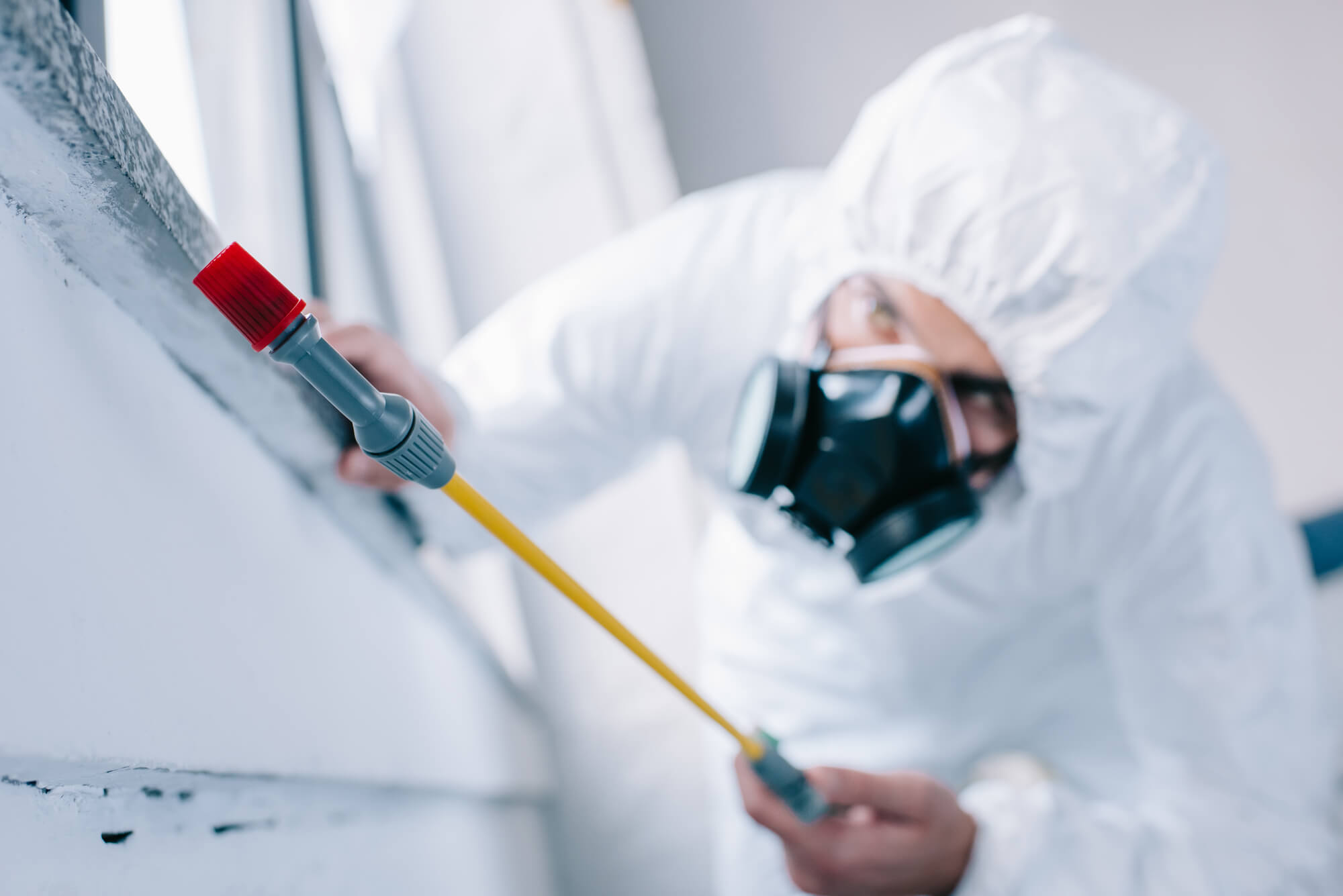
The Fumigation Process
Day 1
The fumigation process typically spans multiple days, with Day 1 focusing on preparations. Professional pest control experts thoroughly assess the infestation, identify the appropriate fumigation method, and select the suitable fumigant based on the target pest.
Before fumigation, the area is prepared by removing or properly securing all sensitive items, such as food, plants, and pets. Adequate safety measures are implemented, including properly sealing entry points and notifying occupants about the upcoming fumigation.
Day 2
On Day 2, the actual fumigation process begins. Pest control professionals ensure the area is securely sealed to prevent gas leakage during the treatment. This step is crucial to maintain the desired concentration of fumigant and maximize its effectiveness.
Once the area is sealed, the chosen fumigant is introduced into the space. The fumigant rapidly disperses as a gas, penetrating every nook and cranny, including cracks, crevices, and hidden areas where pests may be hiding. This thorough distribution ensures that the fumigant reaches the target pests, even those not visible to the naked eye.
Throughout the process, professionals monitor the gas concentration levels to ensure they remain within the recommended range for effective treatment. This monitoring helps determine the necessary exposure time required to eliminate the pests. The duration of fumigation can vary depending on factors such as the size of the treated area, the severity of the infestation, and the type of pest being targeted.
Chemicals Used in Fumigation
Fumigation relies on chemicals known as fumigants, which can exist in a gaseous state at the required temperature and pressure. These chemicals play a crucial role in the success of the fumigation process. Let's explore some commonly used fumigants:
Solid Fumigation
Solid fumigants release fumigant gases when they undergo a controlled reaction. One example of a solid fumigant is aluminium phosphide. When exposed to moisture, aluminium phosphide releases phosphine gas, effectively eliminating a wide range of pests, including insects and rodents.
Solid fumigants offer the advantage of easy handling, storage, and transport. They are commonly used when the fumigation process needs to be carried out in enclosed spaces, such as grain silos, shipping containers, or closed storage areas.
Liquid Fumigation
Liquid fumigants, as the name suggests, are fumigants that are liquid. These fumigants are typically sprayed or injected into the targeted area, evaporating and forming a gaseous state to eliminate pests. One widely used liquid fumigant is sulfuryl fluoride.
Liquid fumigation is often employed when precise application is required, such as treating specific items or localized infestations. This method allows for targeted application, minimizing the risk of exposure to non-infested areas.

Safety Precautions and Environmental Considerations
Safety is paramount during fumigation to protect both occupants and the environment. Pest control professionals follow strict protocols and guidelines to ensure the safety of everyone involved. Personal protective equipment, including respirators and gloves, is worn to minimize fumigant exposure.
Environmental considerations are taken into account as well. Many fumigants, such as Methyl Bromide, have been phased out due to their adverse impact on the ozone layer. Alternative fumigants with reduced environmental impact, like phosphine and sulfuryl fluoride, are preferred.
It's crucial to adhere to local regulations and guidelines regarding fumigation, and only licensed professionals should handle the process. Additionally, proper ventilation and airing out of the treated area after fumigation ensure the removal of any residual fumigants and allow for safe re-entry.
Conclusion
In pest control, the fumigation process is a powerful tool to combat stubborn pests and ensure a pest-free environment. Whether gas fumigation, tent fumigation, or container fumigation, each method has advantages and is tailored to specific infestation scenarios.
Understanding the fumigation process, the types of fumigation available, and the chemicals used provides valuable insights into how this method effectively eliminates pests. By relying on gaseous fumigants, fumigation can penetrate deep into structures, reaching hidden pests and eradicating them from the root.