
A common reaction to an insect bite or sting is a redness caused by irritation. A red lump that forms is caused by the release of histamine and other chemicals in response to the bite or sting. This can cause inflammation and itching at the site of the bite or sting.
In some cases, a person may also experience other symptoms such as swelling, redness, and warmth around the bite or sting. A person may also develop a fever or experience nausea, headache, and muscle pain if they have an allergic reaction to the bite or sting.
For most people, insect bites and stings are relatively minor and will resolve on their own within a few days. Over-the-counter pain relievers, such as ibuprofen, can help alleviate pain and reduce swelling. Applying a cold pack or calamine lotion to the affected area can also provide relief from itching and discomfort.
It’s important to be cautious and watchful if the person who have been bitten or stung have a known allergy, if he or she develops symptoms such as difficulty breathing, hives, or a swollen face or tongue seek medical attention immediately, as these can be signs of a severe allergic reaction, also known as anaphylaxis.
Wasp and Hornet stings
Wasp and hornet stings can be more painful and cause more severe symptoms than the stings of other types of insects. Like other insect stings, wasp and hornet stings can cause redness, swelling, and itching at the site of the sting. However, some people may also experience additional symptoms such as nausea, dizziness, and difficulty breathing.
If you are stung by a wasp or hornet, you should remove the stinger as soon as possible if it is still in the skin, if left in the skin will continue to release venom which will cause more irritation. After removing the stinger, you can clean the area with soap and water, and apply a cold pack or ice to reduce swelling.
In some cases, a person may experience an allergic reaction to a wasp or hornet sting. If a person who have been stung by a wasp or hornet develop symptoms such as difficulty breathing, hives, or a swollen face or tongue, seek medical attention immediately as these can be signs of a severe allergic reaction, known as anaphylaxis.
If you have a history of severe reactions to insect stings, it may be a good idea to carry an epinephrine auto-injector (such as an EpiPen) with you in case of an emergency, and wear a medic alert bracelet or necklace. This can alert medical personnel of your history and treatment needs in case you are unable to communicate or have a severe reaction.
It’s important to remember that wasp and hornets are territorial insects, if you see a nest or hives, it is best to stay away and call professionals to handle them.

Bee sting
A bee sting can cause pain, redness, and swelling at the site of the sting. Some people may also have an allergic reaction, which can range from mild to severe. Mild symptoms of an allergic reaction include hives, itching, and swelling in the area around the sting.

Mosquito bites
Mosquito bites are common and are caused by the bite of a female mosquito. Female mosquitoes require blood to nourish their eggs, and they use the protein in blood to do this. When a mosquito bites, it injects a small amount of saliva into the skin, which can cause itching and inflammation.

Tick bites
Ticks, which are small arachnids that feed on the blood of animals and humans. Ticks are small arachnids who feed off the blood of animals and humans and are most found in wooded or grassy areas, and they can attach to the skin when a person brushes against vegetation.
Symptoms of a tick bite are usually mild and include redness, itching, and a small bump at the site of the bite. However, in some cases, a person may develop a more severe reaction to a tick bite, such as a rash or fever.
Horse Fly bites
Horse fly bites can be quite painful and can cause redness, itching, and swelling at the site of the bite. The bite area can also become swollen and may take several days to heal. Some people may develop an allergic reaction to horse fly bites, which can cause hives or other skin reactions.
Horse flies are larger than common house flies, they are known for their painful bites. They are attracted to animals and people and can be found near water, fields or wooded areas, they also tend to be more active during the warm weather months.

Midge/Gnat bites
Gnats are small flying insects that are related to mosquitoes and can bite humans. The bites of gnats can cause itching, redness, and swelling at the bite site. Some people may also experience a burning or tingling sensation, and in rare cases, a person may develop an allergic reaction. The bites may take the form of small red bumps and can be very itchy, similar to mosquito bites.
To prevent gnat bites, it’s important to avoid being outside during the time of day when gnats are most active, usually in the early morning and evening, and to wear protective clothing such as long sleeves and pants. Using an insect repellent can also help prevent gnat bites.
It’s also important to keep your environment clean and make sure to avoid standing water around your house, gnats like to breed in water so keeping the environment dry would help to prevent them from reproducing.
Another important thing to note is that gnats can be attracted to certain scents and perfumes, so wearing them might make you more attractive to them. It’s also important to note that gnats can also be attracted to the smell of food and beverages, so it’s best to cover food and drinks if you’re outside.
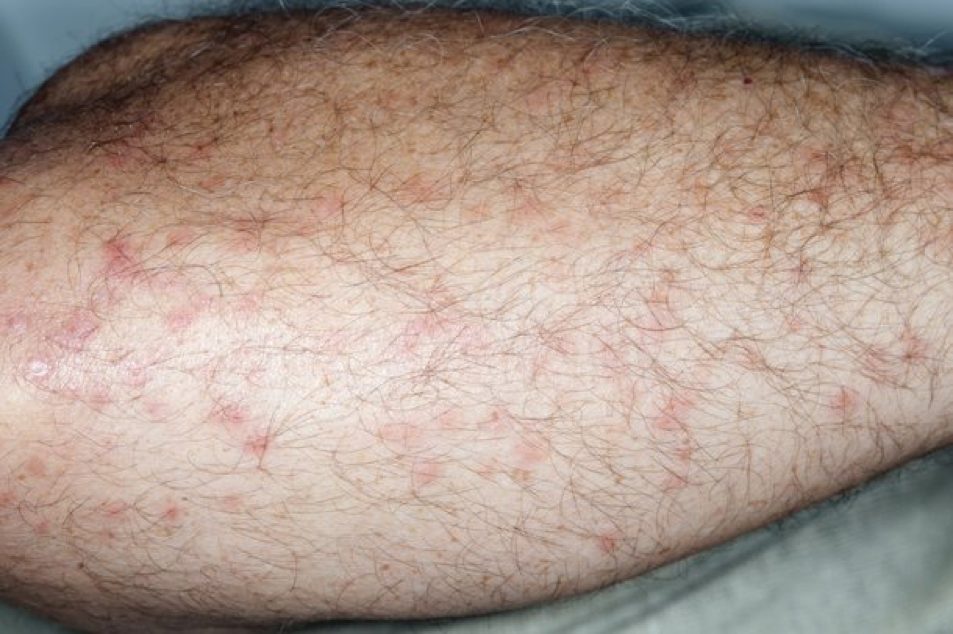
Bedbug bites
Bedbug bites are caused by small, reddish-brown insects that feed on the blood of humans and animals. They are typically found in beds and other areas where people sleep, and they can be active both during the day and at night.
Symptoms of bedbug bites include small, red, itchy welts on the skin. These welts may appear in a line or cluster, and they can be accompanied by mild swelling and redness.
Some people may also experience an allergic reaction to bedbug bites, which can cause more severe itching and inflammation.
The bites themselves are not dangerous but they can cause discomfort and scratching can lead to secondary infection.
