
Mite bites
Mite bites are caused by small, eight-legged arthropods that are related to ticks and spiders. There are many different types of mites, and they can cause a wide range of symptoms depending on the type of mite and the individual’s sensitivity to their bite.
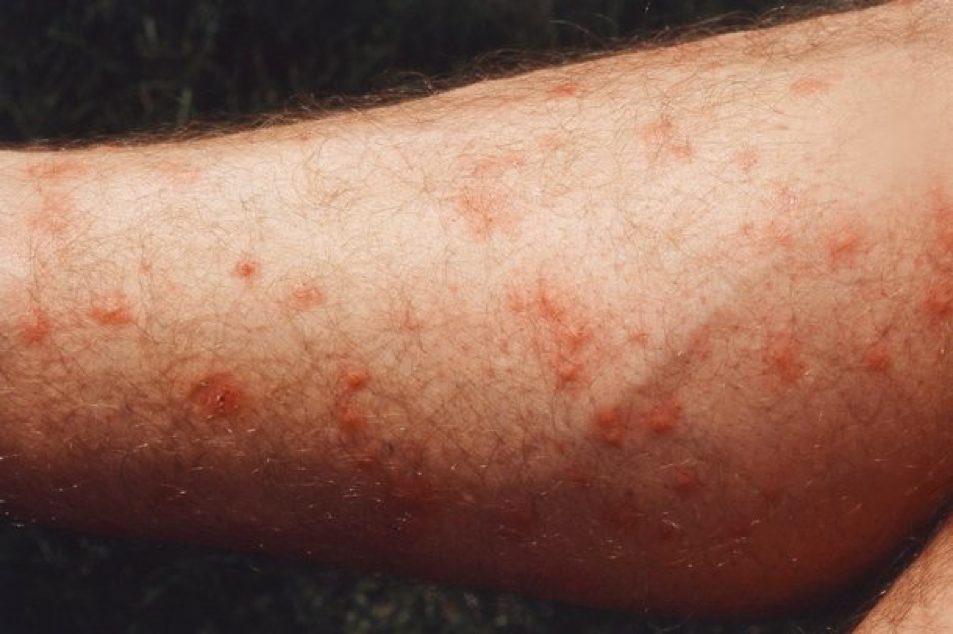
Flea bites
Flea bites are caused by fleas, which are small, reddish-brown insects that feed on the blood of animals and humans. Fleas are typically found on pets and in areas where pets sleep or spend time, but they can also be found in carpets, furniture, and other areas of the home.
It’s important to keep in mind that fleas can be carried by other animals such as wild animal and it’s not just pet-related, also that bites from fleas can easily be confused with other types of bites or skin irritations, if you are unsure it’s always best to consult with a medical professional.

Spider bites
Spider bites can vary in severity, and different types of spiders have different venom that can cause different reactions. Some spider bites may cause only mild symptoms, while others can be much more severe and even life-threatening.
The most common symptoms of a spider bite include redness, pain, and swelling at the bite site. Some people may also experience itching or burning, and in some cases a blister may form. In more severe cases, a person may experience muscle cramps, spasms, or joint pain, and in rare cases, they
However, it's usually easy to identify if a spider venomous by it's appearance. Spiders that are venomous to humans in North America are generally considered to be the black widow and brown recluse spiders, which have distinct appearances.
Ant bites
Ant bites and stings can vary in severity, and different types of ants have different venom that can cause different reactions. Some ant bites and stings may cause only mild symptoms, while others can be much more severe and even life-threatening.
The most common symptoms of an ant bite or sting include pain, redness, and swelling at the bite or sting site. Some people may also experience itching, burning, or a rash. In more severe cases, a person may experience muscle cramps, spasms, or joint pain, and in rare cases, they may have difficulty breathing, an irregular heartbeat, or seizures.
It's also important to note that some ants, like fire ants, have venom which contains an alkaloid called solenopsin and can cause a more severe reaction than other ants, such as redness, pain, and a pustule at the bite site. In cases of multiple stings or if the person has any other condition that increases the risk of severe reactions (allergies, asthma,..), it might be important to seek medical attention.
If you have an ant infestation inside your home or around it, it's recommended to call a professional pest control service to take care of the problem and avoid future stings and bites.
Lady bird bites
Ladybugs, also known as lady beetles or ladybird beetles, are generally considered to be harmless to humans and are not known to bite. However, it is technically possible for a ladybug to bite if it feels threatened or is squished, but it would be very rare case.
Ladybugs are generally considered beneficial insects because they help control aphid populations in gardens and agricultural fields. They have been known to have defensive mechanisms that are primarily used to protect themselves from predators such as excreting a fluid that smells bad and can cause stains, rather than biting.
It is important to note that most ladybugs in the wild will not cause any harm and are considered harmless. It's always important to try to identify the bug that bit you and consider if it was a different insect, or even if it was a spider.
Flower bug bites
Flower bugs are a type of insect that feed on plant nectar and pollen. While they are considered beneficial insects as they help to pollinate flowers, they are not known to bite humans. Flower bugs are small, usually less than half an inch long, and have a round or oval shape, with most having a brightly coloured pattern on their backs. They have a proboscis (a long, slender mouthpart) that they use to drink nectar from flowers.
It's unlikely that a flower bug would bite a human, as their proboscis is not strong enough to break through human skin. However, if you suspect that you have been bitten by a flower bug or any other insect, the symptoms you might experience would be like other insect bites such as redness, itching, and swelling.
If you experience any symptoms after being in an area with flowers or plants, it's important to consider that it could be a reaction to an allergen or a different type of insect. Sometimes, the symptoms might be confused with an insect bite, but they could be a result of an allergic reaction to pollen or plants.
Caterpillar hair irritation
Many species of caterpillars have hair-like structures called setae, which can be stiff or barbed. These setae can cause irritation or allergic reactions when they meet the skin. The symptoms can range from mild skin irritation to a more severe allergic reaction, depending on the individual's sensitivity and the species of caterpillar.
Caterpillar hairs can cause itching, burning, and redness at the site of contact. Some people may also experience a rash, hives, or even difficulty breathing in severe cases. Some caterpillars are more venomous than others and can cause a more severe reaction.